Optimizing PostgreSQL Architecture for High-Performance SaaS Solutions
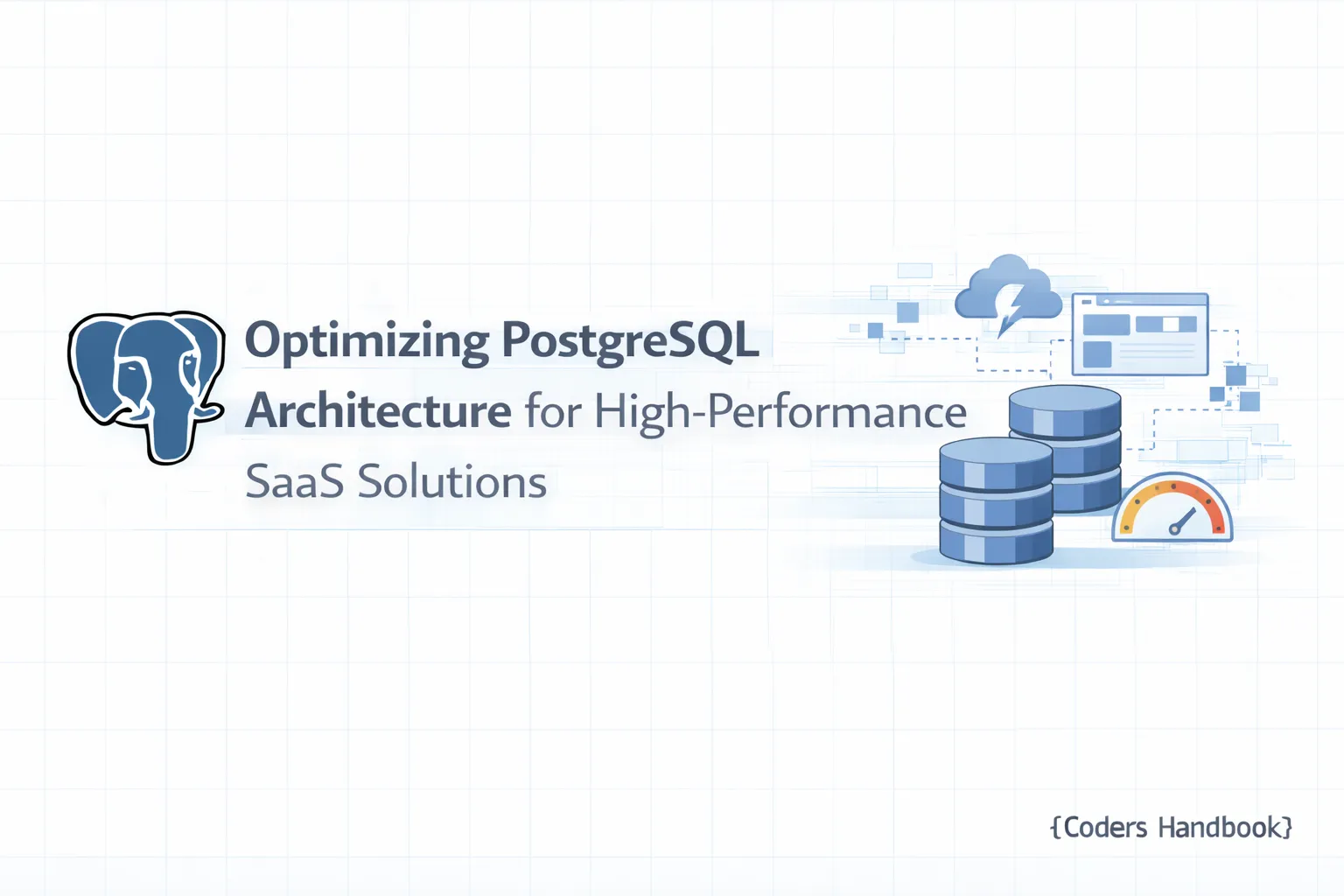
Production Grade PostgreSQL Architecture for SaaS
As we dive into the intricacies of PostgreSQL architecture for Software as a Service (SaaS) applications, it's essential to build on what we have learned in previous parts of this tutorial series. In Part 11, we explored optimal database structures for SaaS solutions, while Part 14 provided insights into backups and disaster recovery. Today, we will dissect a production-grade PostgreSQL architecture specifically designed for SaaS applications, covering key components, best practices for scalability, performance optimization strategies, and essential security measures.
Understanding Production Grade PostgreSQL Architecture
PostgreSQL is an advanced, open-source relational database management system that offers robust features, extensibility, and reliability. For SaaS applications, it stands out due to its support for multi-tenancy, data integrity, and complex queries. A production-grade PostgreSQL architecture must be designed to handle the demands of numerous concurrent users, high availability, and scalability.
Key Components of Production-Grade PostgreSQL Architecture
- Database Server: The core PostgreSQL instance where data is stored and processed.
- Load Balancer: Distributes incoming traffic among multiple database instances to ensure no single server is overwhelmed.
- Replication: Copies data from the primary database to one or more replicas, enhancing read performance and disaster recovery.
- Connection Pooler: Manages database connections efficiently, reducing the overhead of establishing new connections.
- Monitoring Tools: These tools provide insights into performance metrics, enabling proactive maintenance and troubleshooting.
Key Features of PostgreSQL for SaaS Applications
PostgreSQL offers several features that make it ideal for SaaS applications:
- Multi-tenancy Support: PostgreSQL can efficiently handle multiple tenants using schemas or row-level security.
- ACID Compliance: Ensures reliable transactions and data integrity.
- Extensibility: Supports custom data types, functions, and even procedural languages.
- Advanced Indexing Options: Includes support for various indexing techniques like B-trees, hash indexes, and GIN indexes for full-text search.
Best Practices for Designing a Scalable PostgreSQL Architecture
Scaling PostgreSQL effectively requires thoughtful planning. Here are the best practices to achieve a scalable architecture:
1. Database Sharding
- Step 1: Decide on a sharding strategy based on tenant IDs or geographical locations.
- Step 2: Implement a routing mechanism in your application to direct queries to the correct shard.
- Step 3: Monitor shard performance and adjust as necessary.
Expected Outcome: Improved performance by distributing the load across multiple database instances.
2. Read Replicas
- Step 1: Set up streaming replication for your PostgreSQL instance.
- Step 2: Configure your application to route read queries to replicas.
- Step 3: Use the following command to create a read replica:
pg_basebackup -h primary_db_host -D /path/to/replica/data -P -U replicatorExpected Outcome: Offloading read operations boosts performance and reduces latency for write operations.
3. Connection Pooling
- Step 1: Install a connection pooler like PgBouncer.
- Step 2: Configure PgBouncer with a pool size that matches your application load.
- Step 3: Start PgBouncer and connect your application through it.
Expected Outcome: Reduced overhead in connection management leading to faster query processing.
Performance Optimization Techniques for PostgreSQL in SaaS
1. Indexing Strategies
- Step 1: Analyze query patterns and determine the most frequently accessed columns.
- Step 2: Create the necessary indexes. For example, to create a B-tree index:
CREATE INDEX idx_user_email ON users (email);Expected Outcome: Faster query execution times.
2. Partitioning
- Step 1: Identify large tables that can benefit from partitioning.
- Step 2: Use range or list partitioning based on your data access patterns.
- Step 3: Create a partitioned table. For example:
   CREATE TABLE sales (
       id serial,
       sale_date date NOT NULL,
       amount numeric
   ) PARTITION BY RANGE (sale_date);
Expected Outcome: Improved query performance and management of large datasets.
Security Considerations for PostgreSQL in a SaaS Environment
1. Authentication and Authorization
- Step 1: Implement role-based access control (RBAC).
- Step 2: Use secure password policies and two-factor authentication.
- Step 3: Create roles and grant specific permissions:
   CREATE ROLE sa_user WITH LOGIN PASSWORD 'securepass';
   GRANT SELECT, INSERT ON ALL TABLES IN SCHEMA public TO sa_user;
Expected Outcome: Enhanced security through controlled access.
2. Data Encryption
- Step 1: Enable SSL for data in transit by configuring
postgresql.conf. - Step 2: Encrypt sensitive data at rest using tools like pgcrypto.
Monitoring and Maintenance of PostgreSQL for Production Use
1. Monitoring Tools
- Step 1: Utilize tools like pgAdmin or Grafana for real-time monitoring.
- Step 2: Set up alerts for performance bottlenecks or unusual activity.
- Step 3: Use the following command to check database health:
SELECT * FROM pg_stat_activity;Expected Outcome: Proactive identification of issues before they affect users.
2. Routine Maintenance
- Step 1: Schedule regular vacuuming to reclaim storage and optimize performance.
- Step 2: Implement automated backups using tools like
pgdumporpgbasebackup.
Common Challenges and Solutions in PostgreSQL Architecture
- Challenge: Performance degradation under high load.
- Solution: Analyze queries, optimize indexes, and ensure effective connection pooling.
- Challenge: Data loss during system failures.
- Solution: Implement robust backup and disaster recovery strategies, as discussed in Part 14.
Case Studies: Successful SaaS Implementations Using PostgreSQL
- Case Study 1: A financial SaaS application implemented PostgreSQL with sharding based on user demographics, resulting in a 30% increase in query performance and reduced latency.
- Case Study 2: A healthcare SaaS provider utilized PostgreSQL’s row-level security to ensure patient data compliance with HIPAA. This approach led to enhanced security and simplified auditing processes.
Conclusion
In this guide, we've explored the key components and best practices for designing a production-grade PostgreSQL architecture for SaaS applications. We discussed scaling strategies, performance optimization techniques, and critical security measures to ensure your database operates efficiently and securely. As the demand for SaaS applications continues to grow, leveraging PostgreSQL's robust feature set will help you build scalable, reliable, and secure applications.
For more in-depth insights, refer to previous parts of our tutorial series. In the next installment, we will delve deeper into PostgreSQL extensions and tools that can further enhance performance and security for your SaaS applications.
Call to Action: If you found this post helpful, consider sharing it with fellow developers or subscribing to our series for the latest updates in PostgreSQL best practices!
$ share --platform
$ cat /comments/ (0)
$ cat /comments/
// No comments found. Be the first!