Mastering PostgreSQL: A Step-by-Step Installation Guide
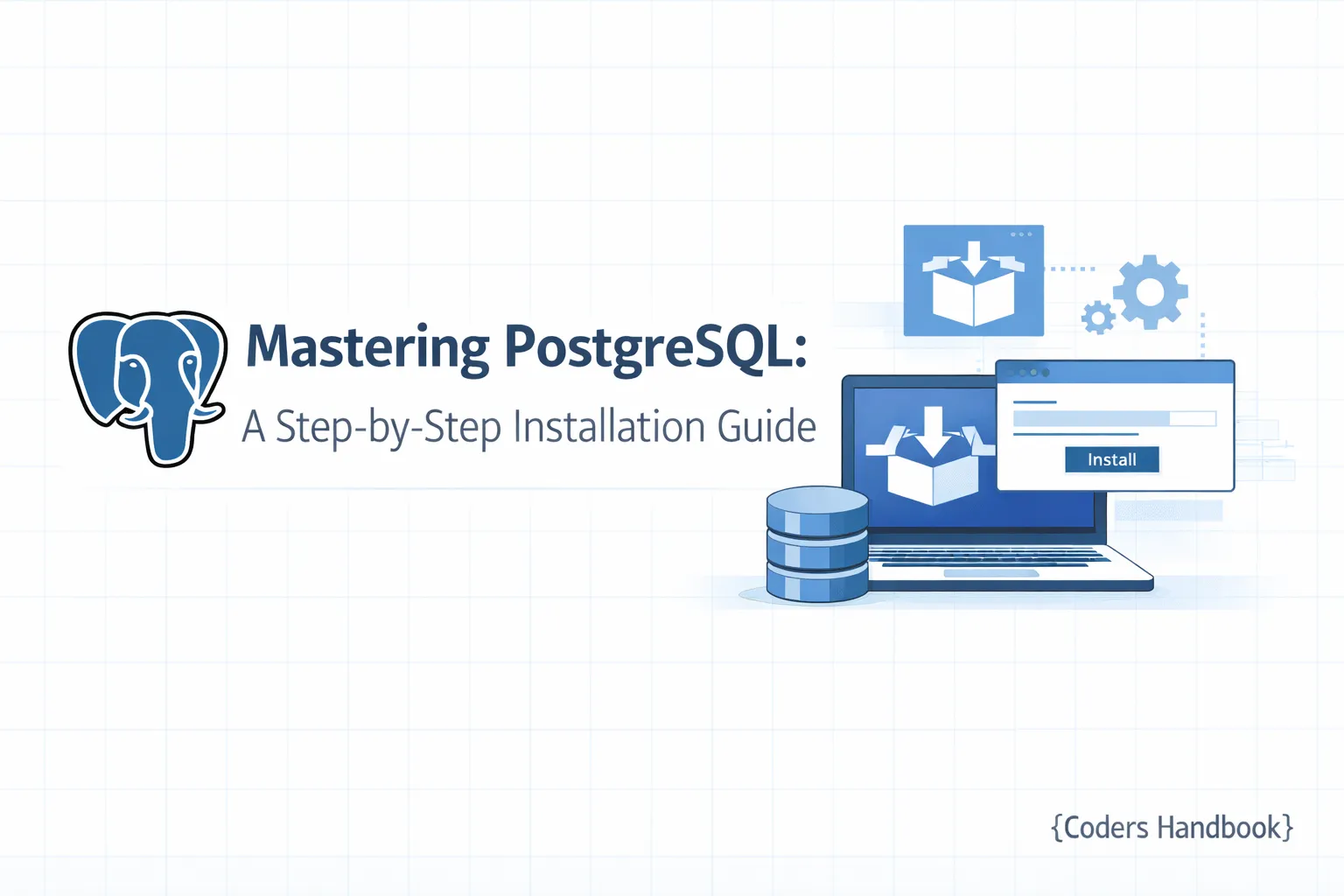
Installing and Setting Up PostgreSQL
Introduction to PostgreSQL
PostgreSQL is an advanced, open-source relational database management system (RDBMS) that boasts a strong reputation for reliability, feature robustness, and performance. It is widely used for both small and large applications and supports a variety of programming languages and frameworks. In this second installment of our "PostgreSQL Complete Guide: Beginner to Advanced" series, we will delve into the process of installing and setting up PostgreSQL on various operating systems. As we covered in Part 1, a solid understanding of PostgreSQL’s capabilities is crucial for effective database management and development.
System Requirements for PostgreSQL Installation
Before you install PostgreSQL, let's review the system requirements to ensure a smooth installation process.
Hardware Requirements
- Processor: Minimum of 1 GHz (2 GHz or higher recommended)
- RAM: Minimum of 1 GB (2 GB or more recommended for production environments)
- Disk Space: At least 1 GB available for installation (more depending on data storage needs)
Software Requirements
- Operating Systems: Supported on Windows, macOS, and various Linux distributions. Ensure compatibility with your version.
- Dependencies: Some installations may require additional libraries or packages, such as
libreadline,libssl, andzlib.
Step-by-Step Installation Process
1. Installation on Windows
- Download the Installer:
- Visit the official PostgreSQL download page and download the graphical installer for Windows.
- Run the Installer:
- Double-click the downloaded file to launch the installer.
- Follow the prompts, selecting your preferred installation directory and components to install.
- Set Password for PostgreSQL Superuser:
- During installation, you will be prompted to set a password for the default user
postgres. Choose a strong password and remember it.
- Select a Port:
- Leave the default port (5432) unless you have other services running on that port.
- Complete Installation:
- Once the installation is complete, you can launch the pgAdmin tool, which is a graphical interface for PostgreSQL management.
2. Installation on macOS
- Using Homebrew:
- Open Terminal and install PostgreSQL using Homebrew:
brew install postgresql- Start PostgreSQL Service:
- After installation, you can start the PostgreSQL service:
brew services start postgresql- Initialize Database:
- Initialize the database if it hasn’t been done automatically:
initdb /usr/local/var/postgres- Check Installation:
- You can verify that PostgreSQL is running:
psql postgres3. Installation on Linux
- Using APT (Debian/Ubuntu):
- Update your package lists:
sudo apt update- Install PostgreSQL:
sudo apt install postgresql postgresql-contrib- Using YUM (CentOS/RHEL):
- Enable the PostgreSQL repository:
sudo yum install -y https://download.postgresql.org/pub/repos/yum/reporpms/EL-7-x86_64/pgdg-redhat-repo-latest.noarch.rpm- Install PostgreSQL:
sudo yum install postgresql12 postgresql12-server- Initialize Database:
- On Linux, initialize the database:
sudo /usr/pgsql-12/bin/postgresql12-setup initdb- Start PostgreSQL Service:
- Start the PostgreSQL service:
sudo systemctl start postgresqlConfiguring PostgreSQL After Installation
Once PostgreSQL is installed, some initial configuration is necessary:
1. Accessing PostgreSQL
You can access PostgreSQL using the command line:
sudo -u postgres psqlThis command allows you to log in as the postgres user.
2. Creating Your First Database
- Create a Database:
- Inside the PostgreSQL shell, create a new database:
CREATE DATABASE my_first_db;- List Databases:
- To see your created database, use:
\l3. Creating Users and Roles
- Create a New User:
CREATE USER my_user WITH PASSWORD 'secure_password';- Grant Privileges:
- Assign privileges to the user:
GRANT ALL PRIVILEGES ON DATABASE my_first_db TO my_user;4. Understanding PostgreSQL Configuration Files
PostgreSQL configuration files are located in the data directory, typically /etc/postgresql/ on Linux or C:\Program Files\PostgreSQL\ on Windows. Key configuration files include:
- postgresql.conf: Main configuration file where server settings are defined.
- pg_hba.conf: Controls client authentication. You can specify which users can connect from which hosts.
5. Basic Configuration
To optimize performance and security, consider modifying the following settings in postgresql.conf:
- max_connections: Increase this value if you expect many concurrent connections.
- shared_buffers: Set this to 15-25% of your system's RAM.
- logminduration_statement: Set to log slow queries.
Common Issues During Installation and Troubleshooting
Issue 1: PostgreSQL Service Fails to Start
Solution:
- Check the PostgreSQL log files. On Linux, logs are usually found in
/var/log/postgresql/. Look for errors related to configuration.
Issue 2: Authentication Failures
Solution:
- Review the
pg_hba.conffile. Ensure that the user and database are correctly configured for host access.
Issue 3: Port Conflicts
Solution:
- If PostgreSQL fails to start due to port conflicts, change the port in
postgresql.confand restart the service.
Best Practices for Setting Up PostgreSQL
- Regular Backups: Implement a backup strategy using
pg_dumpor continuous archiving. - Monitoring Resources: Use tools like
pgAdminorPrometheusto monitor database performance. - Security Measures: Enforce strong user passwords, limit user privileges, and keep PostgreSQL updated.
Connecting to PostgreSQL: Tools and Methods
Command-Line Tools
- psql: The primary command-line interface for interacting with PostgreSQL.
- Basic commands to get started:
psql -U my_user -d my_first_dbGUI Options
- pgAdmin: A web-based GUI for managing PostgreSQL databases, great for beginners.
- DBeaver: A universal database tool that supports PostgreSQL and many other databases.
Resources for Further Learning and Support
- Official Documentation: Visit the PostgreSQL Documentation for in-depth guides and references.
- Community Forums: Engage with the PostgreSQL community on platforms like Stack Overflow for troubleshooting and advice.
- Books: Consider reading "PostgreSQL: Up and Running" for practical insights.
Conclusion
Installing and setting up PostgreSQL is a vital step towards managing your data effectively. By following this comprehensive guide, you should now have a working PostgreSQL installation along with your first database and user configured. As we progress in this series, we will explore PostgreSQL's advanced features and integrations with various programming languages and frameworks. Stay tuned for the next part of our "PostgreSQL Complete Guide: Beginner to Advanced" series, where we will delve deeper into database management and optimization techniques.
For any questions or further assistance, feel free to reach out or leave a comment below!
$ share --platform
$ cat /comments/ (0)
$ cat /comments/
// No comments found. Be the first!